

- August 23, 2019
- Priya Roy
- 0 Comments
- Uncategorized
Architectural Model Making: Crafting Ideas into Tangible Reality
Architectural model making is one of the most powerful tools in the design process. Long before a building rises from the ground, it often exists as a miniature physical representation—carefully crafted to explore form, function, structure, and spatial relationships. While digital visualization tools have transformed architecture, physical models continue to play a vital role in communicating ideas with clarity, emotion, and precision.
The Purpose of Architectural Models
Architectural models serve multiple purposes throughout a project’s lifecycle. In the early conceptual stage, they help designers explore massing, proportions, and spatial organization. These conceptual models are often abstract and minimal, focusing on volume rather than details. As the design evolves, more refined presentation models are created to communicate the final vision to clients, stakeholders, and investors. Technical or working models may also be used to test structural systems, façade treatments, and environmental responses.
A well-crafted model allows architects to see their design from multiple perspectives, revealing spatial qualities that may not be obvious in two-dimensional drawings. It provides a hands-on, tactile experience that encourages collaboration and discussion. For clients, especially those without technical backgrounds, models simplify complex ideas and make design concepts accessible.
Types of Architectural Models
Architectural models can be categorized into several types based on purpose and level of detail:
1. Conceptual Models
These are quick, exploratory models used during the early design stages. Materials such as foam board, cardboard, or balsa wood are commonly used. The focus is on overall massing, scale, and relationships between forms rather than intricate details.
2. Working Models
Working models help test structural systems, circulation patterns, and spatial arrangements. They may include movable components and layered construction to analyze interior layouts.
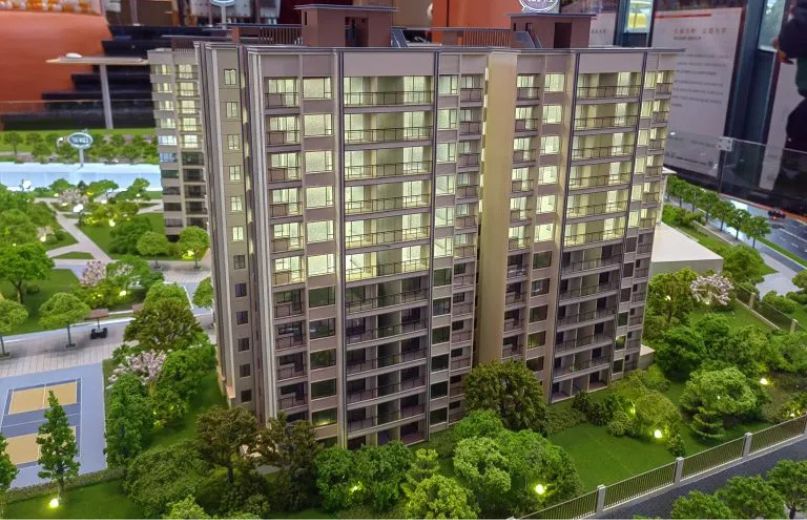
3. Presentation Models
Presentation models are highly detailed and visually refined. They often include landscaping, lighting, façade textures, and contextual surroundings. These models are used in client meetings, exhibitions, and marketing campaigns.
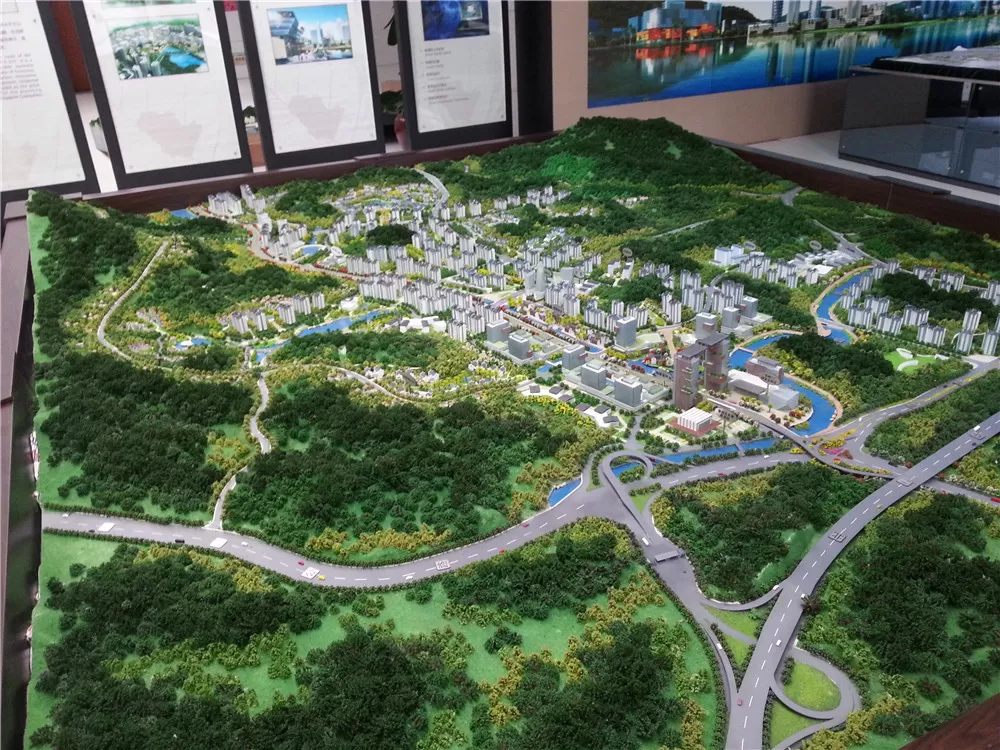
4. Urban or Master Planning Models
These large-scale models illustrate entire neighborhoods or city blocks, showing how a proposed building integrates with its surroundings. They are particularly useful in urban development projects.
Materials Used in Model Making
The choice of materials significantly influences the quality and appearance of an architectural model. Common materials include:
-
Foam board: Lightweight and easy to cut, ideal for conceptual work.
-
Acrylic sheets: Transparent and durable, perfect for glazing and protective covers.
-
Balsa wood: Easy to shape and excellent for structural detailing.
-
Plastic and styrene sheets: Used for fine details and precision components.
-
3D printed elements: Increasingly popular for complex geometries and intricate designs.
In many professional models, acrylic glass covers are used to protect the model from dust and damage, especially for exhibition purposes.
The Model Making Process
Creating an architectural model involves careful planning and execution. The process typically includes the following steps:
1. Understanding the Design
Before starting, the model maker studies drawings, 3D renderings, and design intent. Understanding the scale and level of detail required is crucial.
2. Selecting the Scale
Common architectural scales include 1:50, 1:100, 1:200, and 1:500. The choice depends on the project size and the purpose of the model. Smaller scales are suitable for master plans, while larger scales allow for detailed interior representation.
3. Material Preparation
Materials are measured, marked, and cut precisely. Accuracy is critical, as small errors can distort proportions.
4. Assembly
Components are assembled systematically, often starting with the base and structural elements before adding façades, landscaping, and detailing.
5. Finishing and Detailing
Final touches include painting, adding miniature figures, trees, vehicles, and lighting elements to enhance realism.
The Role of Technology in Model Making
While traditional handcrafting techniques remain essential, modern technology has significantly influenced architectural model making. Laser cutting allows precise and clean edges, reducing manual errors. CNC milling and 3D printing enable the creation of complex geometries that would be difficult to achieve by hand. Digital fabrication also speeds up production time, making it possible to iterate designs quickly.
However, the integration of technology does not replace craftsmanship—it enhances it. Skilled model makers combine digital tools with manual finishing techniques to achieve high-quality results.
Importance in Education and Professional Practice
In architectural education, model making is a foundational skill. Students learn spatial reasoning, proportion, and construction logic through hands-on practice. Building models encourages problem-solving and critical thinking, as students must translate drawings into three-dimensional objects.
In professional practice, models remain essential despite advancements in digital visualization. Clients often connect more emotionally with physical models because they provide a tangible experience. Exhibitions, competitions, and real estate marketing campaigns frequently rely on detailed models to showcase projects effectively.
Challenges in Architectural Model Making
Model making requires patience, precision, and creativity. Time constraints can be challenging, especially when deadlines are tight. Achieving accuracy at small scales demands careful measurement and steady craftsmanship. Transporting large models without damage is another practical concern.
Cost is also a factor, as high-quality materials and advanced fabrication techniques can be expensive. Nevertheless, the investment often pays off by enhancing communication and decision-making.
The Artistic Dimension
Beyond technical representation, architectural model making is an art form. The balance of materials, textures, and composition transforms a simple miniature into a compelling visual story. Lighting can dramatically change how a model is perceived, highlighting key features and creating depth. The choice between abstract and realistic representation influences how viewers interpret the design.
Every model tells a story—not only of the building it represents but also of the creative process behind it.
Future of Architectural Model Making
As architecture continues to evolve, so will model making techniques. Sustainable materials, rapid prototyping technologies, and hybrid physical-digital models are shaping the future. Augmented reality may complement physical models by overlaying additional information, creating interactive experiences.
Despite these advancements, the core purpose remains unchanged: to transform ideas into physical form, bridging imagination and reality.
Conclusion
Architectural model making is far more than a miniature representation of a building. It is a vital communication tool, a design exploration method, and an artistic craft. From simple conceptual massing studies to highly detailed presentation pieces, models help architects visualize, refine, and share their vision. In a world increasingly dominated by digital screens, the tangible presence of a physical model continues to inspire, engage, and connect people to the built environment in a uniquely powerful way.
Leave a Comment